A frontier clinical study for treatment-resistant depression
We’re entering clinical studies to evaluate DOT, a miniature device to treat drug-resistant depression.
We have an active feasibility trial in the US, recruiting across multiple clinical sites.
What is Treatment Resistant Depression?
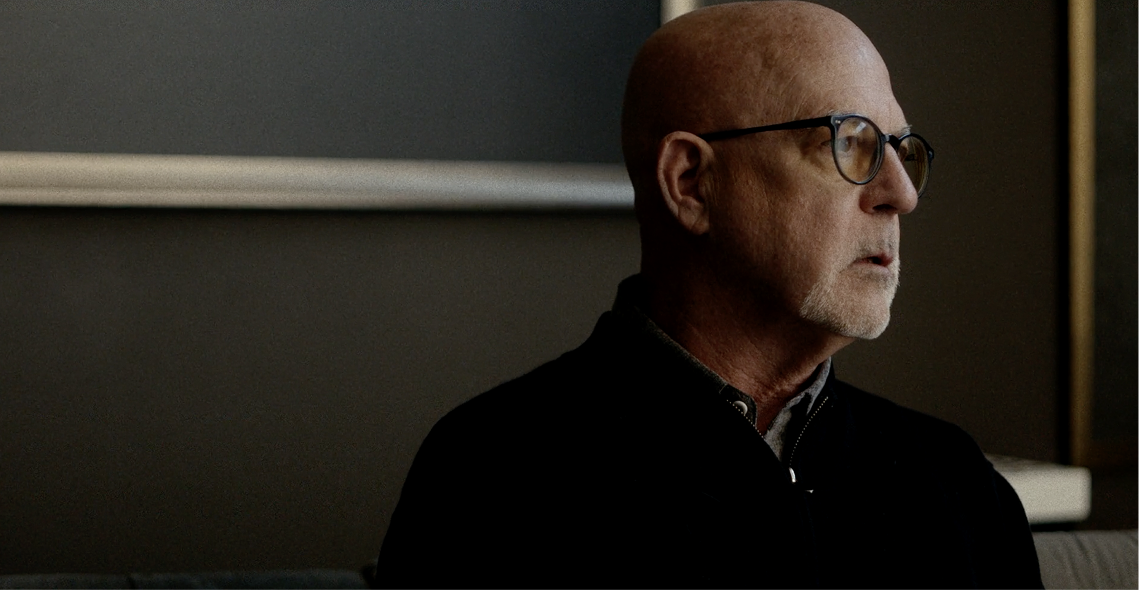
About a third of people with depression don't experience adequate relief from two or more antidepressant medications. This condition is known as treatment resistant depression (TRD).
TRD can make it hard to get through the day, or initiate everyday activities. If this story resonates with your lived experience, a Motif clinical trial may be a fit for you.

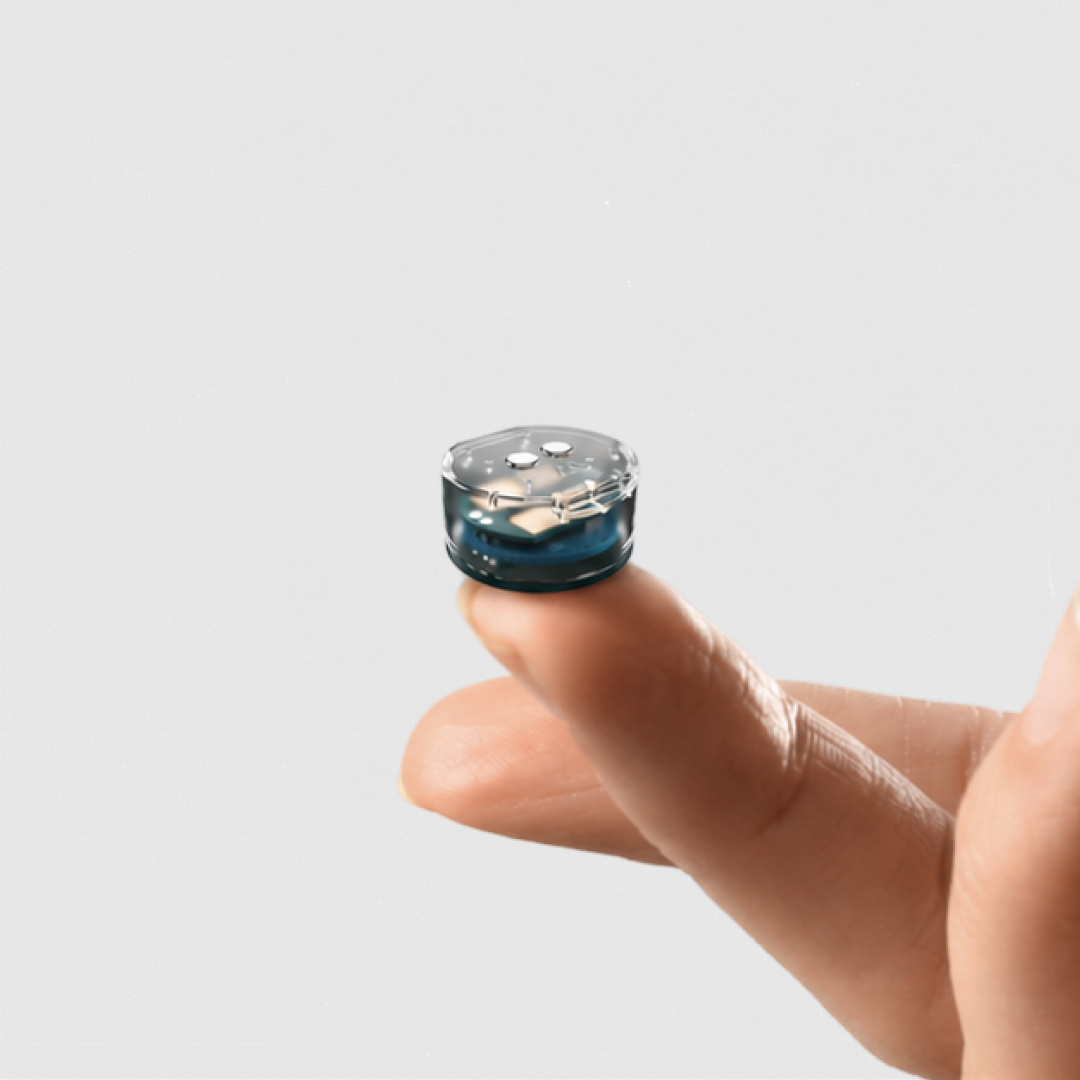
DOT is a miniature device that acts like a pacemaker to stimulate the brain regions associated with mood.
Based on decades of research
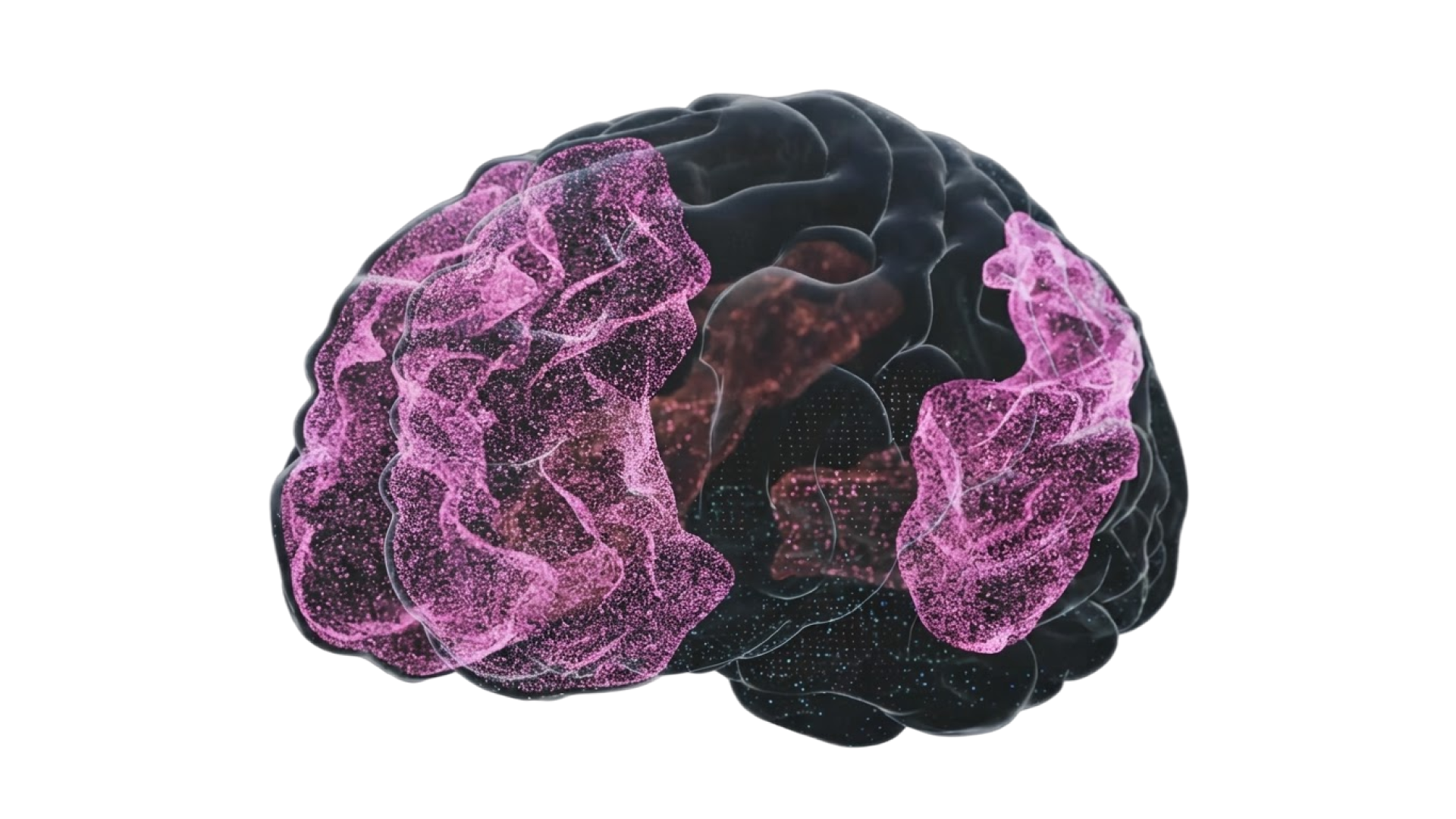
Decades of clinical research has discovered that depression is often the result of underactivity in specific brain areas. Stimulating those regions has been shown to improve the symptoms of depression.


Built to overcome the limitations of TMS
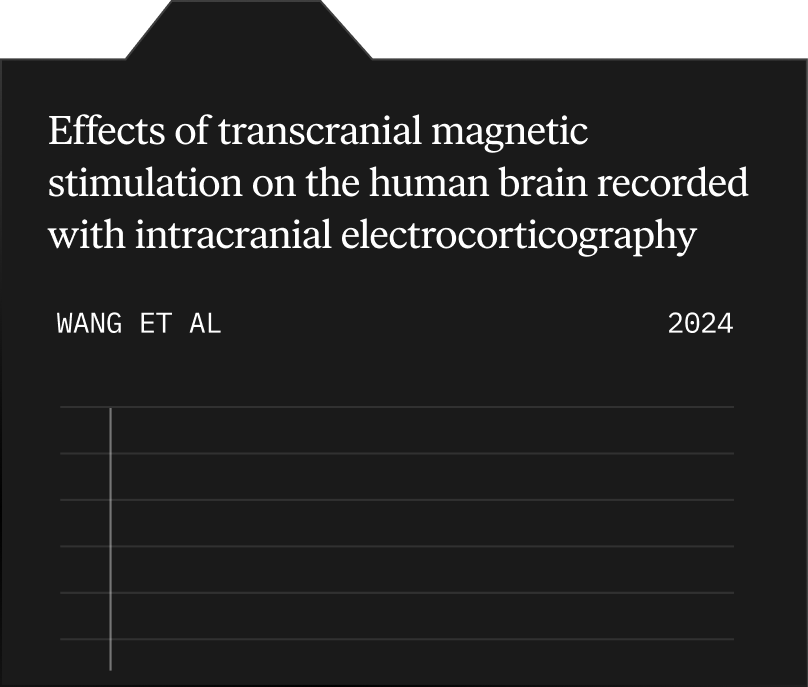
For decades, Transcranial Magnetic Stimulation has been a treatment option for depression. However, it’s delivered with big, expensive machines that aren’t accesible for all patients.
A miniature device for accessible treatment
Following our engineering breakthroughs at Rice University, our team was able to develop a miniature device that allows patients to treat TRD in the comfort of their own home using a stimulation similar to TMS.
RESONATE Study is now live across the US
Researchers will be confirming the safety of the device and tracking changes in depression symptoms, anxiety, quality of life, and memory.


Patricio Riva Posse IV, MDFrequently Asked Questions
The implant is a small device about the size of a blueberry. It sits in a small hole in the skull, on top of the tough layer that covers the brain. It does not go into the brain. There are no wires and no battery inside your body. Instead, you wear a headset during treatment, and the headset sends power to the implant. The implant only works while you are wearing the headset. The headset battery lasts a full day of treatment. It also lets you know when it is lined up in the right spot.
Yes, it is surgery, but it is a smaller surgery than what others may consider brain surgery. The implant sits in the skull, above the dura (the tough layer that covers the brain). It does not go into the brain. Most people go home the same day. Because the implant stays outside the brain’s covering, the risk of infection is lower than with devices that go inside it. All surgery has some risks. Your consent form lists all of them.
XCS is based on TMS, a widely used treatment for depression that works on the same part of the brain. That is why we think XCS may help. We think people who were helped by TMS in the past may also be helped by XCS, but this has not been proven yet. Everyone who gets the implant gets real treatment. No one gets a fake (placebo) treatment. The first results are checked at 4 weeks. This is an early study, so its main goal is to check safety. Finding out if XCS works is part of what the study is meant to learn.
The surgery takes about 20 to 40 minutes, and you will go home the same day once you have recovered enough. After surgery, you will have about 2 weeks to heal. Then you will have 1 to 2 weeks of treatment at the clinic. If you live far away, you may need to stay near the study site during this time. You only wear the headset during treatment sessions. Each session lasts 10 minutes, with up to 10 sessions a day.
Yes. If you want the implant taken out, it can be removed, as long as your study doctor decides it is safe. You do not have to have it removed when the study ends. Motif will pay for removal in the 30 days after the study ends. After that, you or your insurance will need to pay for it.
Interested in taking
part in RESONATE?
Joining our registry takes a few minutes and helps our team determine if you might be a fit for a current
or future trial.
Our products are co-designed by people with lived experience.
We work directly with our Community Advisory Board to thoughtfully design our products with direct feedback from those with experience battling mental health diseases.